Hollin Farms Pick-Your-Own
Slow Down and enjoy the simple life at our peaceful,
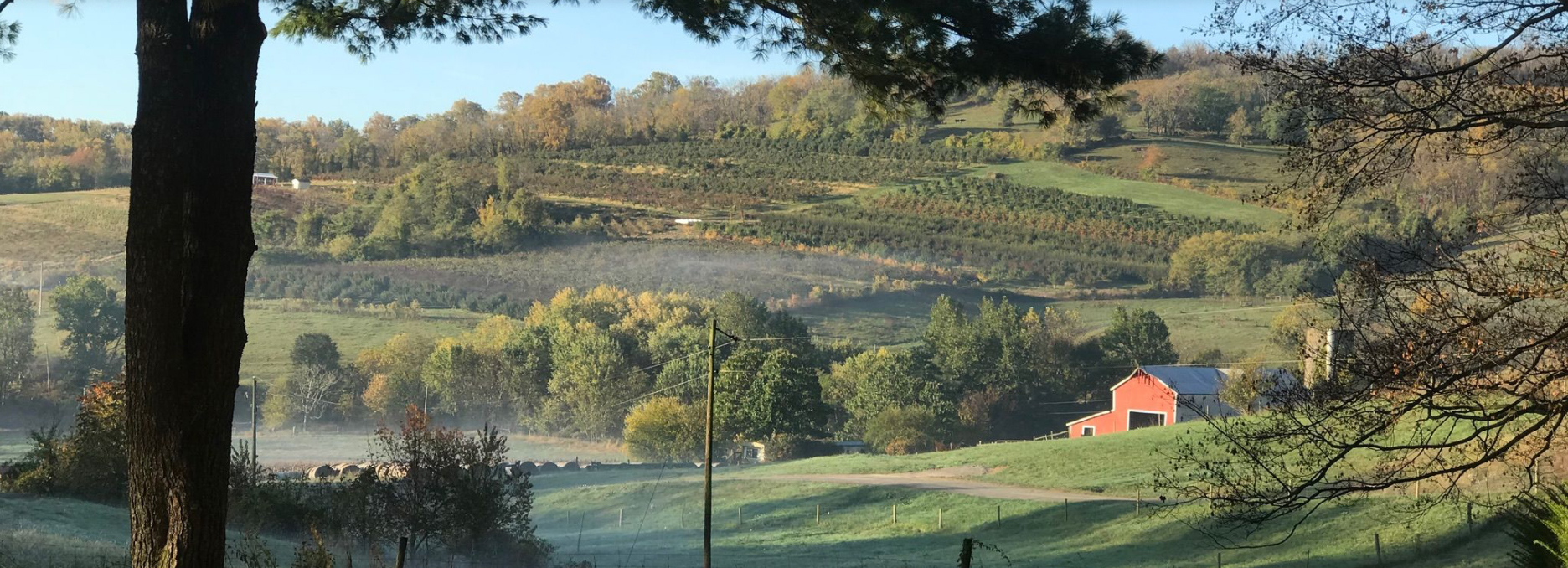
Located just an hour’s drive from Washington, our pick-your-own farm features 40 acres of fruits and vegetables that span the seasons. These hills are also home to our free-range Natural Angus beef cattle.
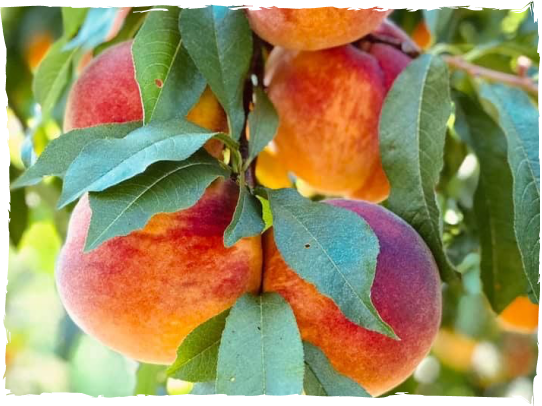
pick-your-own fruits and vegetables
Experience the joy of harvesting your own produce straight from the fields
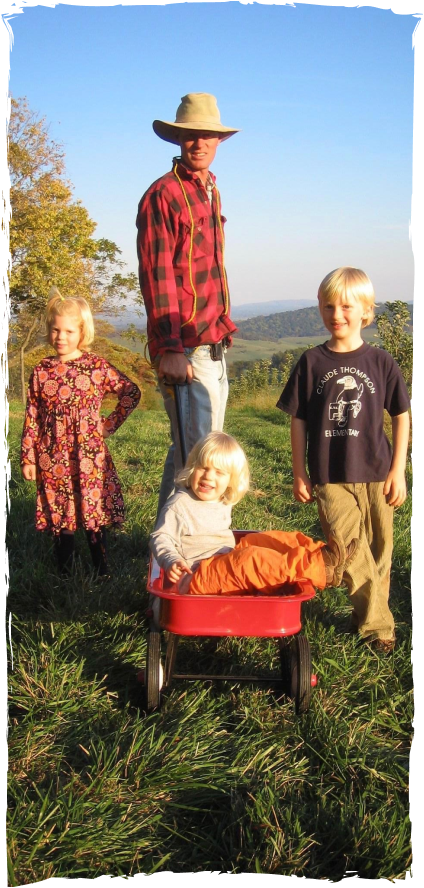
At our farm, we believe in the value of hard work and the rewards that come with it. We put our hearts and souls into each and every crop we grow, and we’re proud to share the fruits of our labor with our community. Come out to the farm and experience the joy of harvesting your own produce straight from the fields – there’s nothing quite like the taste of fresh, ripe fruits and veggies that you’ve picked yourself.
Farming since 1950
Hollin Farms History is not only about us
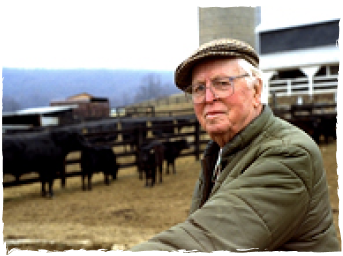
Hollin Farms was started by the late Robert C. Davenport in the early 1950s. The farm is named after Hollin Hills, an award-winning community of modern houses that he developed in Fairfax County in the 1950s and 60s. At Hollin he focused on performance testing bulls, and over 50 years developed an outstanding purebred Angus herd, selling bulls to mainly commercial cattle operations. He was awarded the Virginia Cattleman of the Year award for his efforts at improving beef cattle in Virginia.
From cherries in the spring to crisp apples in the fall, we offer a wide variety of fruits and vegetables for you to choose from. And our beef is second to none – we raise our cattle the old-fashioned way, with plenty of room to roam and graze.
So come on down to the farm, bring the friends or family, and enjoy a day in the sunshine. We can’t wait to share our little slice of paradise with you.
We specialize in a varity of pick-your-own fruits and vegetables, angus cattle and pasture-raised natural beef. We are open from late may through october.
Ready to go? Start here!
Fresh fruits and vegetables at our farms
Discover the fun at Hollin Farms, where you’ll find fresh fruits and veggies to pick! Enjoy our wide-open spaces and amazing views. Visit our hours and availability page today to plan your exciting trip to our friendly farm!
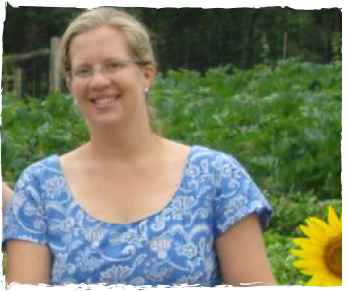
Natural Angus Beef
Raised on pasture and grain grown right here in the Crooked Run Valley of Virginia.
Experience Nature's Bounty
Event, Calendars and seasonal Products
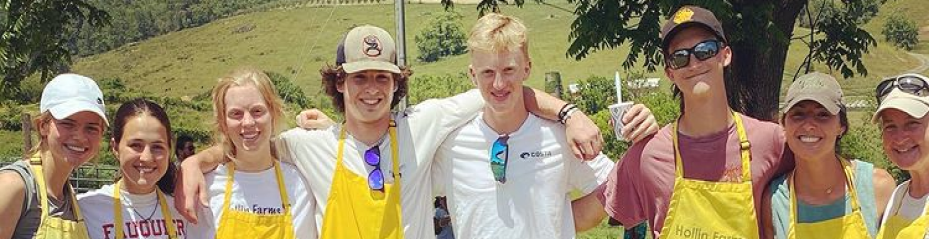 Time for Apples
Peaches, Plums and Nectarines!
Peaches start in the end of June and goes through the middle of August. Nice crop this year. Also Nectarines and Plums. Summer favorites like sweet corn and tomatoes too. See availability page for weekly details.
Continue readingApple season starts with Honeycrisp.
Apple picking begins in Late August. Our first apple of the season is Honeycrisp. Apple season continues through all of October.
Continue reading-

IPM grown
We use Integrated Pest Management practices.
-

Good clean fun!
-

Variety
3 seasons of Fruits & Vegetables